
Clinical and laboratory teams
Our fertility clinicians, embryology team and reproductive genetics specialists contribute at different stages of care. The clinical team plans stimulation, collection and transfer. Embryologists carry out laboratory procedures and embryo assessment; genetic test results require appropriate interpretation and counselling.
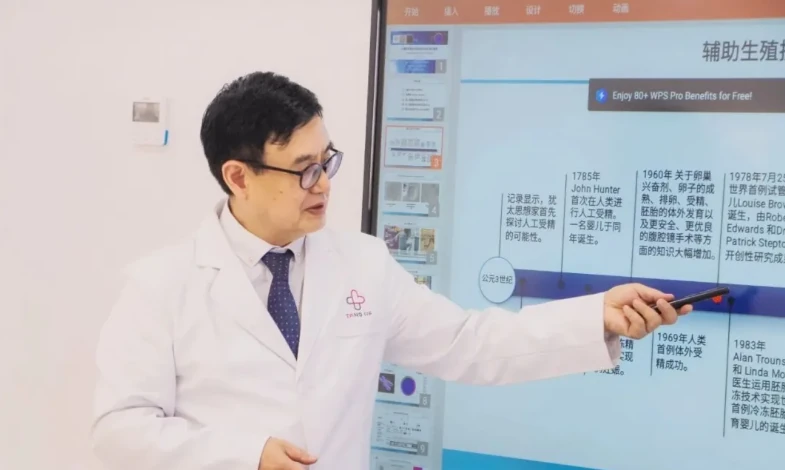
Professor Zhihong Yang directs the clinic’s embryology and reproductive genetics work. His research background includes PGT-A and time-lapse embryo assessment.
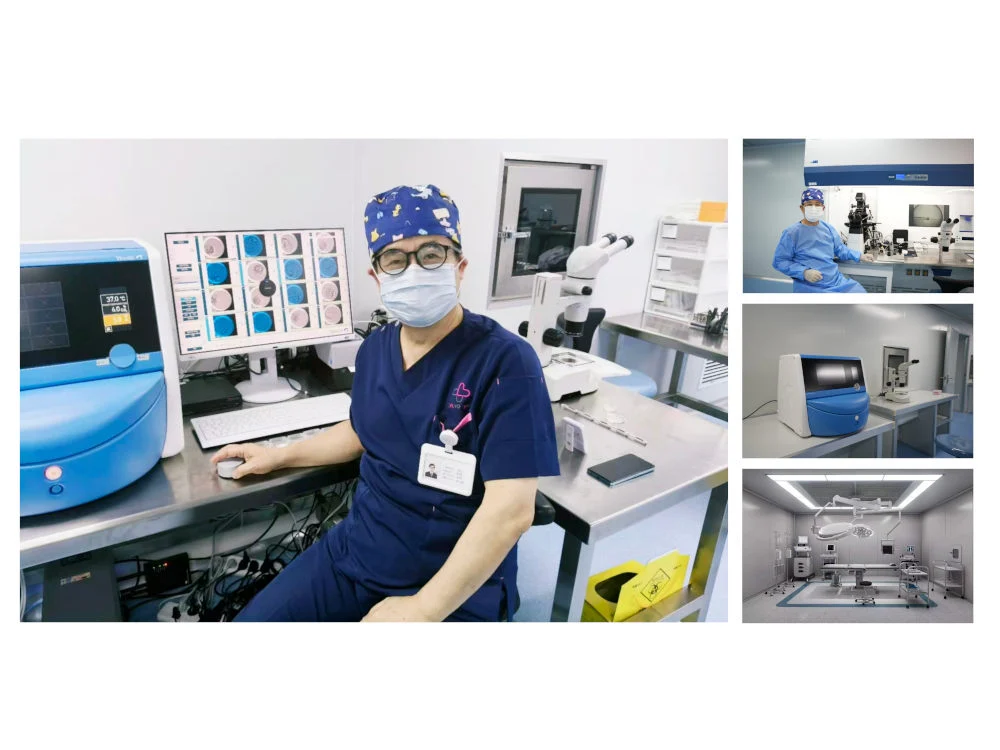
Embryo culture and fertilisation
After egg collection, the laboratory assesses eggs and prepares for conventional IVF or ICSI, depending on the agreed plan. Embryo development is assessed over the following days. Not every collected egg is mature, fertilises or develops into an embryo suitable for transfer or freezing.
Time-lapse assessment
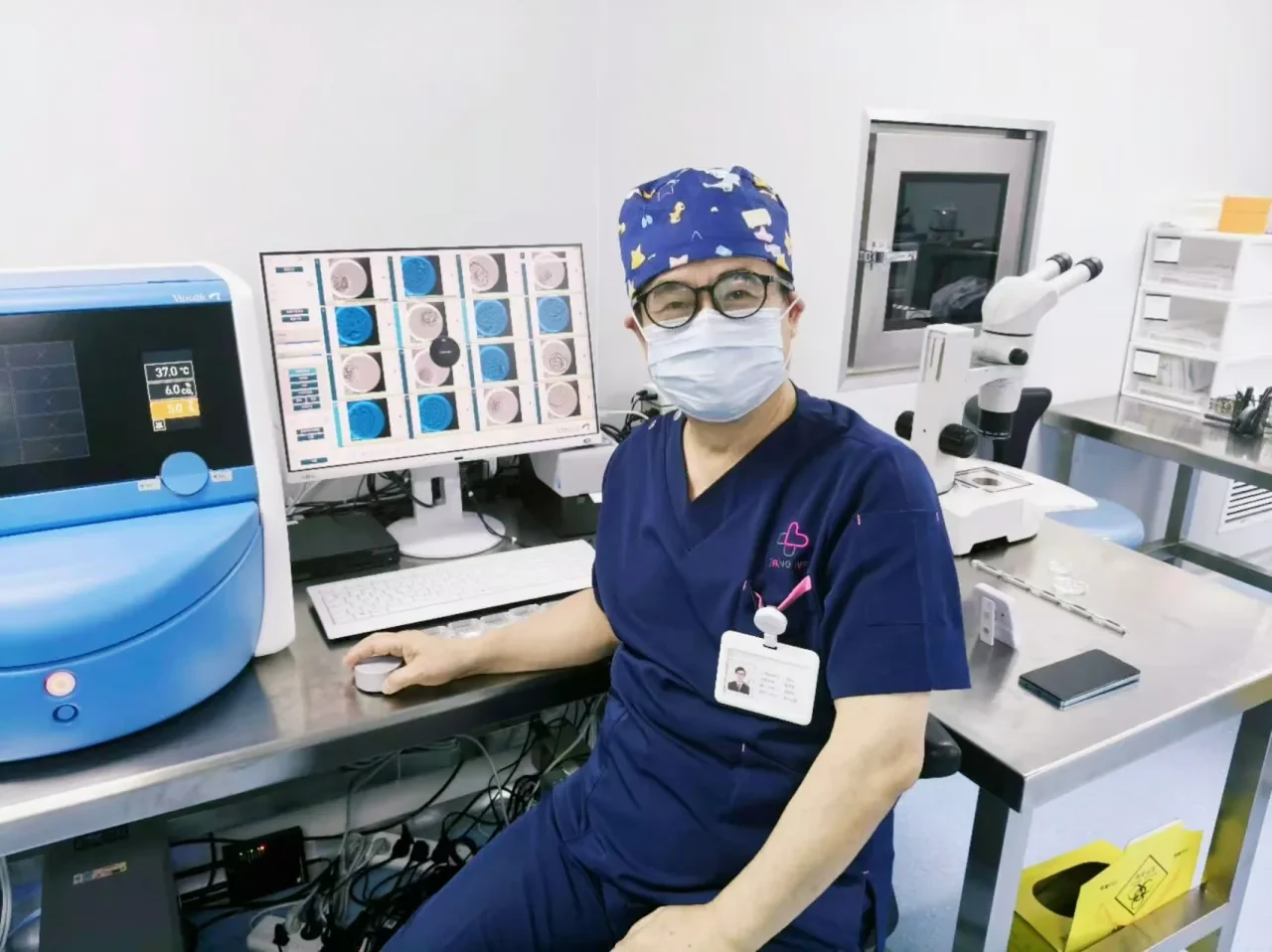
Our published technical information includes a Vitrolife time-lapse incubation system. Time-lapse technology records images of embryo development during culture and can provide additional developmental information for embryologists.
It is an assessment tool, not a guarantee of embryo health, implantation or live birth. Discuss whether and how it is used in your treatment plan.
Preimplantation genetic testing
Our services include enquiries about PGT-A and condition-specific PGT-M. Published technical information refers to next-generation sequencing (NGS) for chromosome screening. The type of test, laboratory preparation and interpretation depend on the clinical question.
Before consent, confirm where embryo biopsy and genetic analysis will take place, which laboratory issues the report, how results are explained and what happens after an inconclusive result. The location and laboratory responsible for each test should be clear in your individual plan.
Freezing and storage
Vitrification is used for egg preservation, with embryo freezing and storage considered as part of the treatment plan. Ask which material is being stored, what written consent is required and how the storage period, renewal and future-use instructions are recorded.
Acceptance of material from another clinic or country requires advance agreement. Documentation, consent, transport and legal requirements must be checked before a transfer is arranged.
Equipment named in the clinic’s published report
The clinic’s 21 October 2026 delegation-visit report identifies the following equipment.
| Published equipment name | Area of use | Information for your care plan |
|---|---|---|
| Vitrolife time-lapse incubator | Embryo incubation and developmental imaging | Confirm the model and whether time-lapse assessment forms part of your cycle. |
| GE Voluson E8 ultrasound | Ultrasound imaging | Your clinician determines which scans are needed and when. |
| Roche 411 analyser | Laboratory testing; “Roche 411” is the designation used in the report | Confirm which assays are ordered, where analysis is performed and who issues the results. |
The report describes consultation rooms, laboratory testing, imaging, an operating room, embryology and genetic-testing laboratory departments. It does not provide a current asset register, all equipment configurations or named report signatories.
Who performs each stage and issues the report?
| Stage | Responsible role | Details to confirm before consent |
|---|---|---|
| Fertilisation and culture | Embryology team | Laboratory location, IVF/ICSI method, culture updates and who signs the embryology record. |
| Embryo biopsy | Embryologist performing biopsy | Biopsy location, sample identification, transfer of material and communication of sample problems. |
| Genetic analysis | Testing laboratory | The legal name and location of the analysing laboratory, whether it is a partner laboratory, test scope and report issuer. |
| Interpretation | Treating clinician and relevant genetics professional | Who explains normal, abnormal, mosaic or inconclusive findings and any need for further counselling/testing. |
| Cryostorage | Storage facility | Storage location, material identifiers, consent, renewal and release/transport requirements. |
The published material does not provide a complete named partner-laboratory list or a report-signatory directory. This page therefore does not label all genetic analysis as performed in-house. Request the responsible laboratory details in the written plan.
Reports and decisions
- Ask what information will be provided after egg collection, fertilisation and embryo culture.
- Confirm how biopsy or genetic test findings will affect the transfer plan.
- Understand the proposed number of embryos to transfer and the reasons for that recommendation.
- Keep copies of the reports available for future treatment and follow-up.
PGT-A · PGT-M · Egg freezing · Single embryo transfer
Further reading
- HFEA — Time-lapse imaging and incubation
- HFEA — Pre-implantation genetic testing for aneuploidy (PGT-A)
See our editorial policy and published clinic photographs and arrival guide.
Related research: Professor Yang’s ESHRE presentation.